Dawn near town
Use the shoreline, City Park, and museum-area edges when you want birds before breakfast and no boat commitment. Bring bug protection and keep the first drive short.

Great Florida Birding Trail — Gulf Coast
Roseate spoonbills, shorebirds, refuge roads, and tide-dependent viewing around Florida's Big Bend.
Best Season
Year-round, but peak migration Apr–May and Sep–Oct. Winter brings ducks and sparrows; summer brings nesting shorebirds.
Top Spot
Lower Suwannee National Wildlife Refuge — 53,000 acres of tidal marsh, forest, and Gulf coastline. Free, open daily.
Specialties
Roseate spoonbill, painted bunting, American oystercatcher, swallow-tailed kite, limpkin, and rare Gulf Coast sparrows.

Tide-flat cue
Start Cedar Key birding with the water level: use lower tide for exposed flats, keep a kayak or refuge drive as the flexible move, and come back to town before glare and bugs make the day feel longer than it needs to.
First-mile birding plan
Use the shoreline, City Park, and museum-area edges when you want birds before breakfast and no boat commitment. Bring bug protection and keep the first drive short.
Low tide helps shorebirds and flats; Lower Suwannee rewards patient drivers when heat, bugs, or wind make the exposed island edge less comfortable.
Return to Dock Street or 2nd Street before heat and glare build. A midday meal separates the dawn birding block from a museum, gallery, or second shoreline walk.
Cedar Key's most iconic bird — the shocking pink plumage and spatula bill are unmistakable. Found wading the tidal flats south of town, especially at low tide.

The exposed tidal flats during spring and fall migration host massive concentrations of sandpipers, plovers, and willets. Some of the best shorebirding on the Gulf Coast.
The crown jewel — 53,000 acres encompassing the lower Suwannee River and Gulf Coast. The 5-mile River Trail and the Dennis Creek Wildlife Drive are the top routes. Expect limpkins, swallow-tailed kites, and nesting bald eagles.
📍 20 min north of Cedar Key off CR 347 · Free · Open daily dawn–dusk
One of the largest wading bird rookeries in Florida — herons, egrets, ibis, and roseate spoonbills nest here in enormous numbers March–June. Accessible by boat; the island is closed during nesting season but you can observe from the water.
📍 Boat from Cedar Key Marina · Check seasonal closures at fws.gov
Walk the shoreline path past the historic district at dawn for painted buntings (winter/spring), warblers during migration, and American oystercatchers year-round on the rocky jetties.
📍 2nd Street, Cedar Key · Free · Best at sunrise
Birding-day choices
Start close to town at dawn for shorebirds, coffee afterward, and a quiet morning that still works without a boat.
Use Lower Suwannee or a planned wildlife-drive block when the group is happy with slower miles, fewer town comforts, and a same-day check on refuge access.
Choose Seahorse Key or outer-island viewing only after checking nesting closures, weather, and current boat-operator access.
Second Star gear guide
Birding & Wildlife Viewing
Wildlife-viewing packing list
Binoculars, camera support, field notes, weather layers, sun cover, and insect protection for birding and wildlife-viewing days.
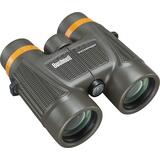
Compact Binoculars
$126.84
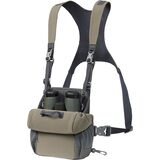
Binocular Harnesses
$119.00
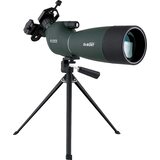
Compact Spotting Scopes
$46.74
Cedar Key birding basics for tides, seasons, refuge access, and outer-island closures.
Winter brings cooler refuge-road and shoreline birding, while spring and fall add migrants. Summer can still produce waders and coastal birds, but heat, insects, storms, and nesting closures require shorter outings and current access checks.
No. Start at public shoreline access in town, then use Lower Suwannee refuge roads or short trails after checking current notices. A boat adds outer-island views but also introduces operator schedules, weather, and wildlife closures.
That depends on season, but spoonbills, pelicans, egrets, herons, shorebirds, and a mix of raptors and waders are all part of what makes this corner of Florida so appealing.
Let weather decide the first move. Calm, cooler mornings are best for refuge edges, shoreline birds, and paddling; breezier afternoons are better for Dock Street, Shell Mound, seafood, and a shorter harbor walk.
An overnight stay is better if you care about sunrise birds, sunset seafood, or an unhurried paddle. A day trip can work, but the town is more memorable when you are not racing State Road 24 twice in one day.
Before you go
Use these official and public sources to confirm the details that change: hours, maps, tickets, reservations, road access, weather, and seasonal timing.